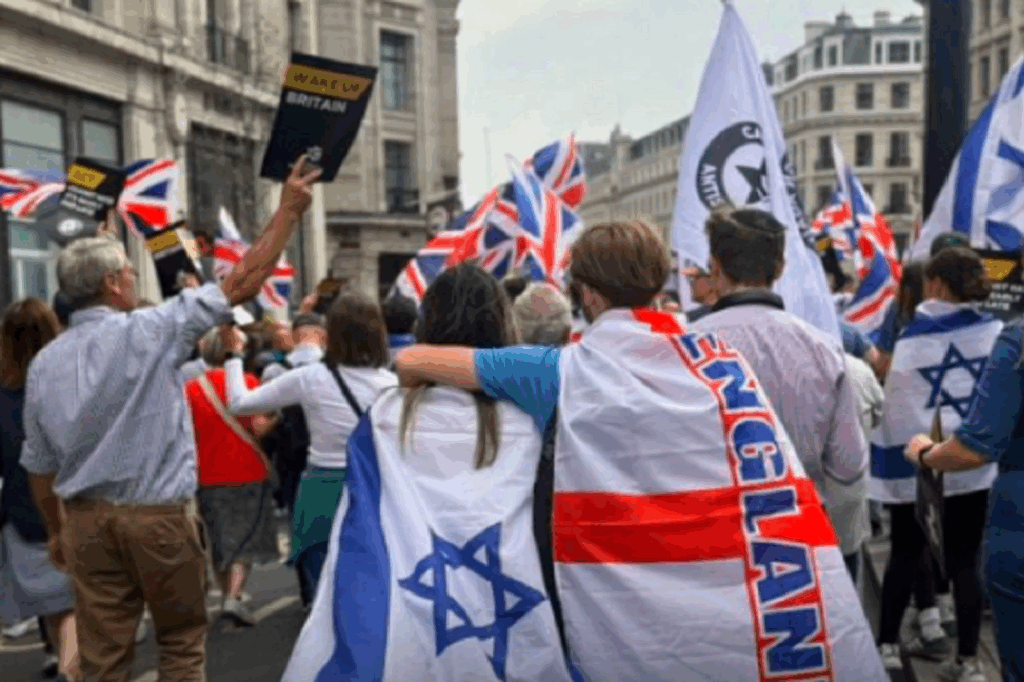
A major anti-immigration demonstration in central London turned volatile as fringe elements clashed with police officers during the “Unite the Kingdom” march. The rally, organised by far-right activist Tommy Robinson, drew well over 100,000 participants. What began as a largely peaceful gathering escalated when a small group attempted to breach barriers separating them from counter-protestors.
Law enforcement quickly deployed reinforcements in riot gear to contain the unrest. Dozens of police officers were harmed. Among the injuries, four were described as serious, including broken teeth, concussion, a possible broken nose, and one officer suffering a suspected spinal injury. Protesters reportedly punched, kicked, and threw bottles at officers.
Roughly 25 people were arrested on charges such as violent disorder, assault, and criminal damage. The police said many participants had come to demonstrate peacefully, but others showed up intent on confrontation. Physical and verbal abuse flared as attempts were made to breach the controlled cordons.
Opponents of the main rally held a counter-protest under the banner “March Against Fascism,” which was much smaller in scale—around 5,000 people. The two groups faced off in some tense moments, especially as barrier fences were pushed against and chants intensified.
Speakers at the rally focused on themes of free speech and opposition to immigration, warning of cultural and demographic changes. Flags, slogans, and signs emphasised national identity, resistance to migration, and frustration with immigration policy. The crowd carried English and UK flags, chanting “we want our country back” alongside messages like “stop the boats” and “send them home.”
Speakers included far-right figureheads from across Europe. One political figure compared the situation in the UK to a broader perceived erosion of European identity, suggesting that migration was a driving force behind that change.
As the day progressed, police maintained that while most participants intended to protest lawfully, the presence of those seeking conflict led to violence. Officers tried to separate the rival groups and enforce order, especially where barriers were under threat of breach.
Although the rally largely held to its schedule, the damage—both physical and reputational—is likely to reverberate. Questions about public safety, policing at large gatherings, and the limits of free speech are already being raised. The fallout may affect how future demonstrations are managed and regulated in London.