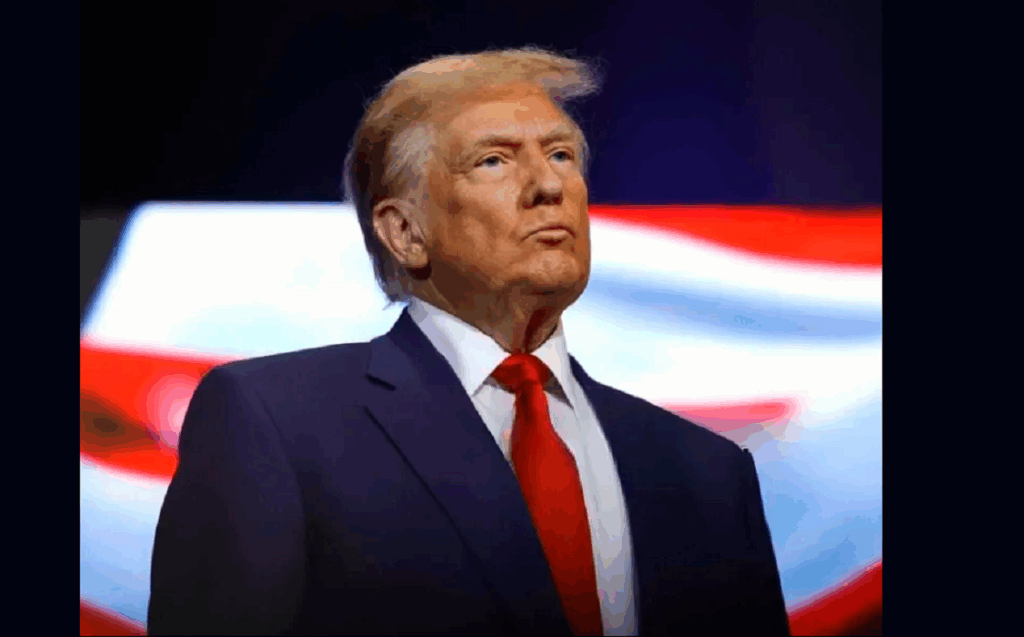
US President Donald Trump firmly rejected any possibility of reducing the steep 50% tariff imposed on India, defending the secondary sanctions as a powerful lever against Russia. In a recent Oval Office meeting with Polish President Karol Nawrocki, he emphasized that the sanctions had inflicted “hundreds of billions of dollars” in costs on Russia and hinted at further measures—“phase two” or “phase three”—without elaborating.
When pressed by reporters about the tariff policy, Trump responded with a clear “no” on any consideration of cuts, while also stating, “We get along with India very well.” He criticized the long-standing trade imbalance, accusing India of historically imposing some of the world’s highest tariffs on American goods.
The standoff continues to heighten tensions between Washington and New Delhi. Trade talks have been in limbo since August, after punitive duties derailed the scheduled sixth round of negotiations in New Delhi on August 25. Despite the delay, India’s Commerce Minister Piyush Goyal expressed optimism that a deal could still materialize by November, though geopolitical challenges remain significant stumbling blocks.
Earlier in the year, five rounds of technical discussions—from March to July—had nearly wrapped up most of the frameworks by June. However, persistent disagreements over agricultural market access, mutual tariff reductions, and unresolved WTO disputes derailed progress.
Prime Minister Narendra Modi has taken a firm stand in support of India’s agricultural and small-scale industrial sectors, warning that external pressure may mount—and yet asserting that India will endure it. India, meanwhile, has denounced the tariffs as “unjustified and unreasonable,” vowing to take all necessary measures to protect its economic sovereignty and national security.