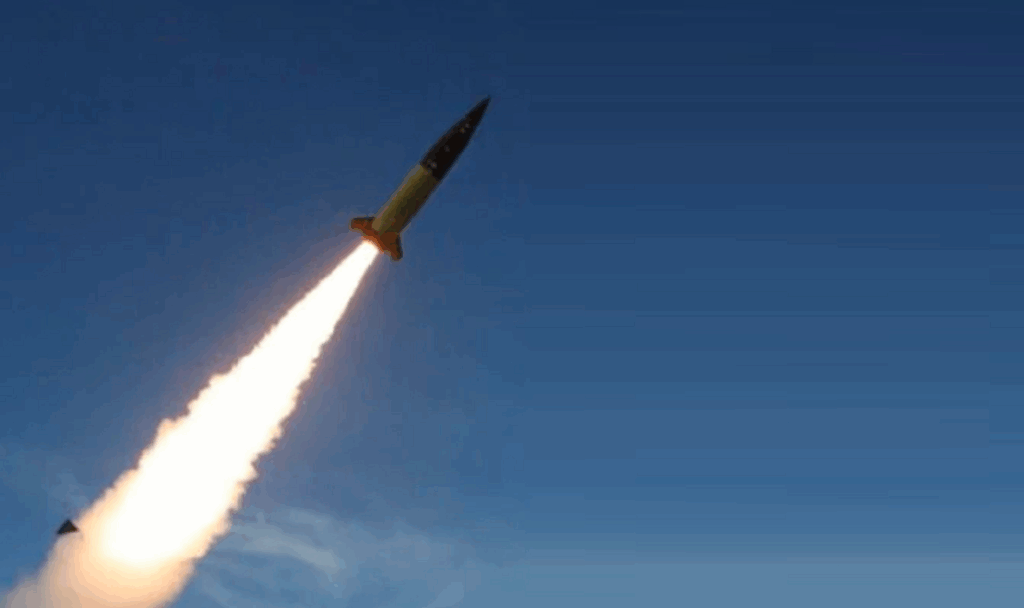
A devastating drone and missile barrage from Russian forces struck Kyiv on Sunday, claiming the lives of two civilians—including a one-year-old child—and injuring several others. Smoke billowed near the Cabinet of Ministers building following the attack, marking a grim escalation in the capital’s air assault campaign.
Rescue teams pulled the toddler’s body from the rubble, and officials confirmed that 11 people sustained injuries during the strike. This is the second large-scale air raid on Kyiv in as many weeks, intensifying fears that diplomatic openings are closing while warfare spirals.
In a parallel operation, Ukrainian forces targeted the Druzhba oil pipeline located in Russia’s Bryansk region, inflicting substantial damage. The pipeline serves as a crucial transit route for Russian oil heading to Hungary and Slovakia, and Ukraine’s move signals increasing retaliatory capabilities.
The scale of the Russian aerial invasion was staggering: Kyiv’s air defenses tracked over 800 airborne threats—including drones and missiles. Air Force officials emphasized the intensity of the offensive, underlining the city’s vulnerability despite continued defensive efforts.
This wave of violence underscores the deepening hostilities between the two nations. Civilians remain perilously exposed, leading to renewed global concern. Infrastructure essential for both governance and civilian life has once again been targeted, raising alarms over Ukraine’s resilience in the face of mounting threats.
Both attacks—the Russian offensive on Kyiv and the Ukrainian strike on the oil pipeline—reflect a growing pattern of tit-for-tat escalation. Analysts warn that this cycle may further entrench conflict dynamics unless urgent international intervention or renewed negotiations emerge.
Let me know if you’d like a version with added context on Ukraine’s air defense response, broader geopolitical implications, or a comparison to previous strikes.