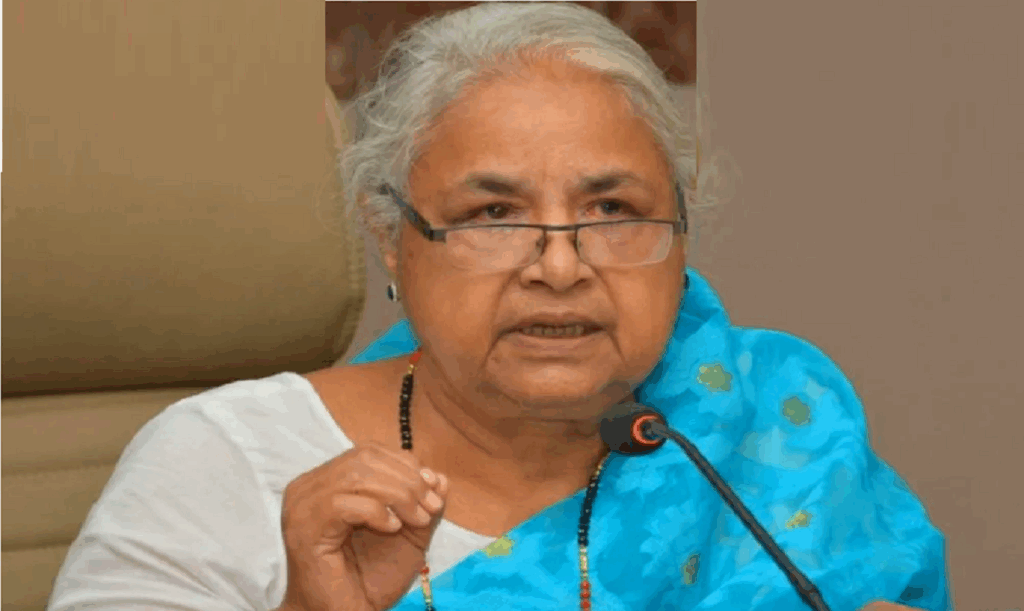
Nepal has appointed former Chief Justice Sushila Karki as interim Prime Minister following the resignation of K.P. Sharma Oli, marking a milestone in the nation’s political landscape. Karki is the first woman to lead the Nepali government, stepping into office amid widespread civic unrest and demands for transparency and reform.
The Path to Karki’s Appointment
The move comes after days of mass protests led mainly by Gen Z citizens, triggered by the government’s ban on numerous social media platforms and widespread concerns over corruption and suppression of free speech. As unrest escalated—with clashes between protesters and security forces—Oli resigned from office.
In response, key stakeholders—including the president, leaders of the protest movement, and the Nepal Army—convened and reached a consensus to name Karki as a caretaker leader. She is expected to take the oath of office soon, heading a minimal interim cabinet with a mandate to navigate the country through the crisis and toward fresh elections.
Why Karki Was Chosen
Sushila Karki, 73, is a jurist by training—not a career politician. As Nepal’s first female Chief Justice (2016–17), she earned national recognition for her strong stand against corruption and for asserting judicial independence. Protesters, particularly from Gen Z, view her as a trustworthy figure with integrity who could bridge the gap between the people and the political establishment.
Her academic credentials include a political science master’s degree from an Indian university and a law degree from a Nepali institution. Her early life in a rural farming family and her reputation for fairness have bolstered her image as someone who could lead Nepal through transitional governance.
Immediate Tasks & Challenges
As interim Prime Minister, Karki faces several urgent tasks:
- Ensuring a stable transition of power while restoring law and order.
- Facilitating humanitarian relief and managing the deteriorations caused by protest-related violence.
- Overseeing the dissolution of federal and provincial parliaments, if required, to clear way for new elections.
- Navigating constitutional constraints, since the Nepali Constitution has unclear provisions for non-parliamentarian interim Prime Ministers.
Security forces remain deployed in key zones, curfews persist in some areas, and political leaders are under scrutiny. The government’s ability to respond to citizens’ demands will be closely watched.
Looking Forward
Karki’s interim premiership is expected to be temporary, with the next general elections scheduled to reestablish a fully mandated government. Her leadership is seen as a litmus test for Nepal’s political maturity and ability to move beyond entrenched partisan squabbles. For many Nepalis, her appointment offers a glimmer of hope that governance may now lean more toward accountability—and that reform may finally match the urgency of citizen demands.