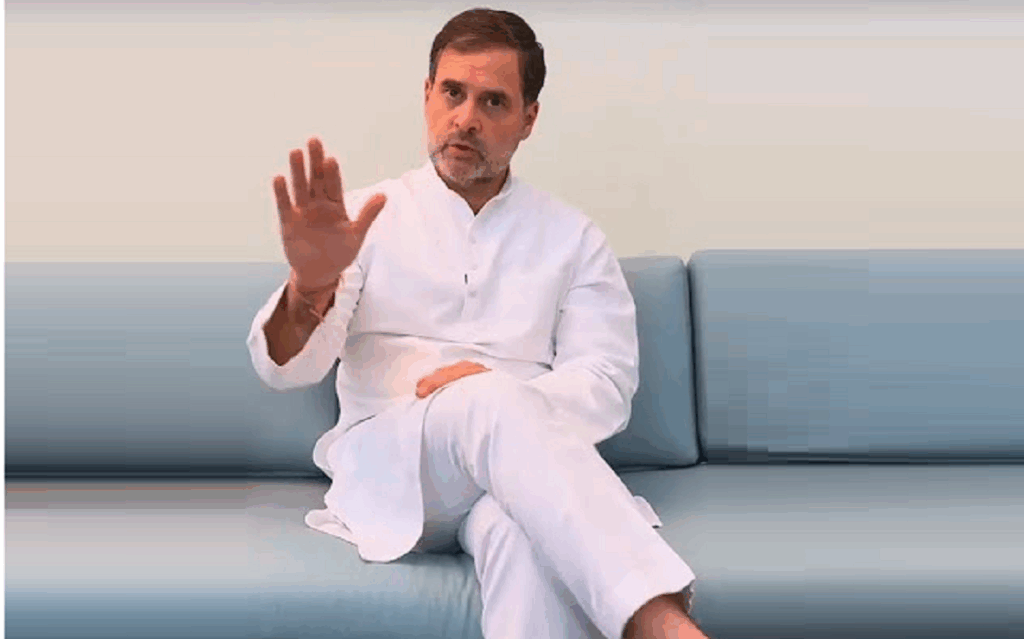
The Allahabad High Court has rejected a plea by Congress leader Rahul Gandhi seeking to stay the trial for his alleged defamatory remarks on the turban worn by Sikhs. The court, in a detailed order, declared that the plea lacked merit and underscored that freedom of speech does not confer immunity from legal proceedings.
Background
The case stems from comments made by Rahul Gandhi during a public speech, in which he referred to the turban as “an obstacle.” Members of the Sikh community viewed the remarks as offensive, and a first information report (FIR) was registered against him under sections of the Indian Penal Code relating to defamation and promoting enmity. Gandhi had sought to quash the FIR and stay trial proceedings, arguing that his comments fell within the ambit of free speech and that they were misconstrued by authorities.
Court’s Ruling
The bench rejected Gandhi’s request to halt the trial, ruling that such restraint is permissible only in rare circumstances where legal proceedings are manifestly untenable. The court noted that Gandhi’s speech was neither purely political debate nor immune from scrutiny, given its potential to offend a religious community. The judges further emphasized that quashing legal action merely on the basis of political speech would set a dangerous precedent.
In its reasoning, the court distinguished between legitimate public discourse and derogatory statements targeting a religious symbol. It asserted that Rahul Gandhi’s plea failed to establish that the prosecution was wholly malicious or abusive. The court also declined to stay the trial, pointing out that judicial intervention at such an early stage could interfere with the normal course of law.
Reactions & Next Steps
The Congress party has criticized the order as a setback to free speech, while legal analysts see the decision as consistent with existing jurisprudence that holds speech subject to boundaries when it risks offending communities. Analysts highlight that political leaders remain accountable under law despite broad protection for speech.
With this order, the trial against Rahul Gandhi will proceed. The next hearings are expected to address legal submissions and examine evidence. The case is likely to generate intense public debate on the balance between freedom of expression and safeguarding communal harmony.
By declining to block the trial, the court has affirmed that political stature does not place any individual above the law.