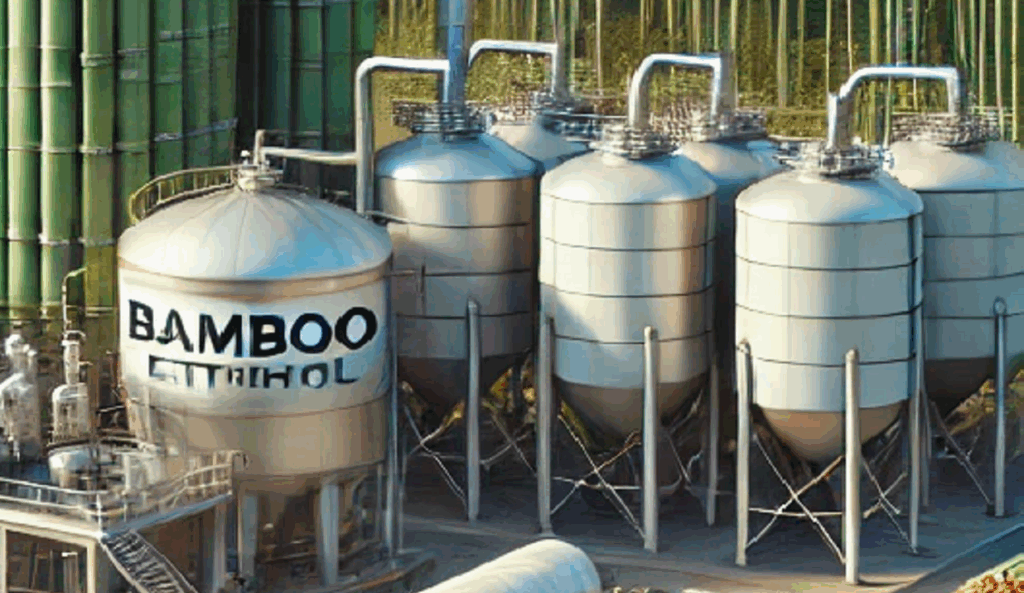
GOLAGHAT, Assam — Prime Minister Narendra Modi inaugurated India’s first second-generation bioethanol plant based on bamboo today in Numaligarh Refinery, Golaghat district. He also laid the foundation stone for a polypropylene plant and launched a package of development initiatives collectively worth about ₹18,530 crore.
The bamboo bioethanol plant, built at a cost of around ₹5,000 crore, marks a major milestone in India’s push toward green energy and reduced dependency on fossil fuels. Designed as a zero-waste facility, it will use all parts of the bamboo plant and is expected to give a significant boost to the rural economy in northeastern states. To support this, the government plans direct procurement of bamboo and will encourage farmers and local communities to cultivate it.
Alongside the ethanol plant, Modi laid the groundwork for a polypropylene unit costing approximately ₹7,230 crore, which will aid in manufacturing plastic inputs locally, underlining the government’s drive toward “Make in Assam” and “Make in India.”
Speaking at the inauguration, the Prime Minister expressed pride in Assam’s role in the country’s energy transformation. He noted improvements in the renewable energy sector, citing India’s leap in solar power generation over the past decade. He pointed out that while earlier governments had imposed severe restrictions on bamboo harvesting—treating it as a forest resource—current policy shifts have transformed bamboo into a valuable agricultural commodity for tribal and rural populations in the Northeast.
Furthermore, Modi unveiled several development projects in Assam’s Darrang district worth around ₹6,300 crore. These include medical and nursing colleges, a GNM school, and significant infrastructure projects like the Narengi–Kuruwa bridge and the Guwahati Ring Road, expected to improve regional connectivity and access.
Officials estimate that more than 50,000 people will be directly or indirectly benefitting from the bamboo-based plant, while bamboo procurement targets will reach up to five lakh tonnes annually from four northeastern states.
These combined efforts reflect the government’s dual focus: promoting industrial growth and ensuring inclusive benefits for local and tribal communities. The projects are expected to generate employment and support ancillary sectors like transportation and logistics.
With the launch of these projects, Assam is positioned to play a larger role in India’s green energy roadmap, while also boosting regional industrial capacity. As these plants become operational, the ripple effects on jobs, farmer incomes, and sustainable development are anticipated to be substantial.