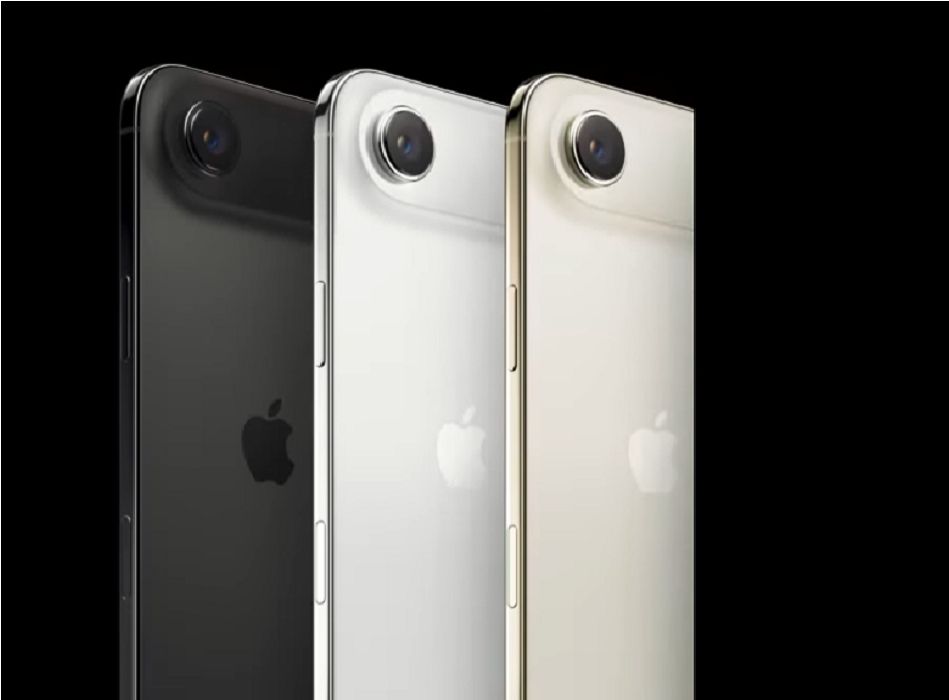
Apple has instructed key component and assembly partners to significantly increase production of its base model iPhone 17, following stronger-than-projected pre-order demand, according to people familiar with the matter. The move reflects unexpected buyer preference for the entry-level device over its pricier Pro variants.
Sources report Apple asked at least two suppliers — including Luxshare Precision and Foxconn — to raise production for the standard iPhone 17 by about 30%, with Luxshare specifically told to increase daily output by approximately 40%. This surge in demand is seen as a response to the upgraded features of the base model, which now include display and camera enhancements once exclusive to the Pro line.
Industry analysts say the tweaks in the feature set of the iPhone 17 may have narrowed the gap between standard and premium models, making the less expensive option more attractive. Earlier pricing structure placed the base model at US$799, with Pro versions starting around US$1,099, but the new improvements appear to be shifting consumer behavior.
Observers suggest that Apple’s projected production mix for the line may be changing. Earlier forecasts had pegged about one-quarter of total iPhone 17 units to be the base model, with the majority split across the Pro, Pro Max, and new iPhone Air variants. With the adjustment in supplier orders, Apple seems to be realigning manufacturing plans to better reflect what consumers are buying.
While the exact numbers for revised production targets are not confirmed, this decision could have implications for Apple’s profit margins. Base models typically carry lower margins than Pro and Pro Max phones, especially when hardware improvements typically reserved for higher-end models are introduced to the standard line.
Apple has not issued any comment on the reports. Supply chain experts say such adjustments are not unusual for the company at this stage of device launch cycles, where pre-order feedback helps refine production scheduling.
The decision underscores broader market trends: growing price sensitivity among consumers, and willingness to gravitate towards models that offer an optimal blend of features without pushing into “flagship premium” territory. With Apple pushing its new lineup forward, it remains to be seen how stock levels of the higher-end devices will hold up against demand for the standard iPhone 17.